





Grinders
What Are Cordless Grinders & Common Uses
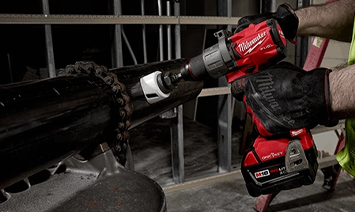
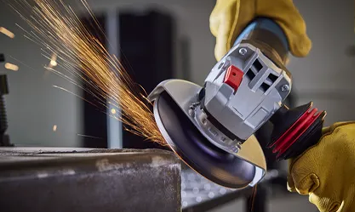
A cordless grinder gives tradespeople the cutting, grinding, sanding, polishing, and surface preparation power they need without being tied to an outlet. With the right disc or wheel, a cordless angle grinder can cut steel, trim tile, clean welds, remove rust, shape masonry, and prepare metal or concrete surfaces for finishing.
Modern cordless grinders use rechargeable lithium-ion batteries and efficient motor systems that support daily jobsite work. Brands such as Milwaukee, Makita, DeWalt, Bosch, and Proxxon offer models for different trades, from compact die grinders for detailed metalwork to larger battery-powered angle grinder options for cutting and grinding thicker materials.
The most common model is the cordless angle grinder. Its disc sits at a right angle to the motor, which gives the user good control for cutting, grinding, and surface work. Die grinders and straight grinders serve a more precise role. They work well for deburring, shaping small metal areas, polishing tight spaces, and reaching corners where a standard angle grinder cannot fit.
Battery-operated grinders can work on steel, aluminum, stainless steel, concrete, tile, stone, masonry, rebar, fasteners, and weld seams. For contractors, the main advantage is movement. A cordless grinder tool setup lets you work on ladders, roofs, outdoor sites, service calls, and renovation projects where power access may be limited.
Key Features and Safety Considerations for Battery-Operated Grinders
A good cordless grinder should feel comfortable in the hand. Brushless motors are common in professional models because they reduce wear and help the tool hold power under load. This matters when cutting steel pipe, grinding welds, or working through masonry for long periods.
Disc size also matters. A 4-1/2" cordless angle grinder suits general cutting, grinding, and repair work. A 5" grinder gives more surface coverage and slightly deeper cuts, while 6" models suit heavier fabrication and construction work. Larger 7" to 9" grinders are used for demanding industrial grinding and major material removal. Die grinders usually use 1/4" collets for burrs, sanding drums, flap wheels, and polishing points.
Safety features deserve close attention. Look for an electronic brake, kickback control, anti-restart protection, soft start, paddle or slide switch options, and an adjustable guard. A side handle also helps control the tool during cutting and grinding, especially when the disc meets hard material or an uneven surface.
Battery capacity affects runtime and cutting strength. Compact batteries keep the tool lighter, which helps during overhead work or quick service tasks. Larger 5.0Ah, 6.0Ah, 8.0Ah, or higher-capacity batteries support longer grinding sessions and heavier cutting. Contractors often keep spare charged batteries ready because grinders draw more power than many other cordless tools.
How to Choose the Right Grinder for Your Project
Choose your grinder based on the material, disc size, runtime needs, and the type of work you do most often. For everyday construction, metal cutting, tile trimming, and renovation work, a 4-1/2" or 5" battery-powered angle grinder is usually the most practical choice. It provides enough power for everyday tasks while remaining easy to handle.
For welding, fabrication, and automotive work, a die grinder may be the better tool. Straight and right-angle die grinders give more control in tight areas, especially when cleaning welds, shaping metal edges, or polishing small surfaces.
For masonry, concrete, thick steel, or commercial construction, choose a grinder with a stronger battery platform and a larger disc. A 6" grinder can cut deeper and remove material faster than a smaller model, while a 7" or 9" grinder suits heavy-duty applications.
Maintenance and Accessory Tips
A cordless grinder lasts longer when it stays clean and properly fitted with the right accessories. Grinding dust, metal filings, and masonry debris can collect around vents and switches, so regular cleaning helps protect the motor and keep airflow moving.
Check the guard, handle, spindle lock, switch, and battery contacts before use. Replace worn discs promptly, and never use a damaged wheel. The accessory should always match the tool’s rated RPM and disc size.
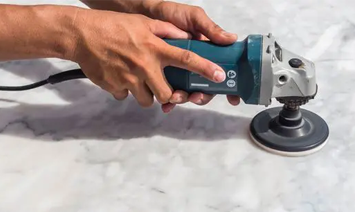
Use cut-off wheels for steel and metal cutting, diamond blades for tile and concrete, flap discs for blending and finishing, grinding wheels for weld cleanup, wire wheels for rust or paint removal, and polishing pads for surface finishing. The right accessory gives cleaner results and puts less strain on the tool.
Store batteries in a dry, moderate-temperature space and avoid leaving them fully drained for long periods. Good battery care improves runtime and helps your cordless grinder system stay ready for daily work.
Cordless Grinder Solutions for Professional Work
Tool Academy supplies cordless grinders for tradespeople who need dependable power tools for metalwork, concrete work, renovation, fabrication, and site maintenance. Our collection includes battery-operated grinders from Milwaukee, Makita, DeWalt, Bosch, and Proxxon, with options ranging from compact die grinders to heavy-duty cordless angle grinder models.
Our team understands how these tools perform in real working conditions. We help customers compare disc size, switch style, braking features, battery platform, and accessory compatibility to choose a grinder that suits the job.
