





Marble and Granite Tools
Granite and Marble Tools for Stone Fabrication
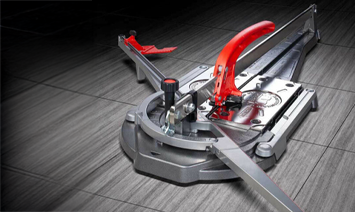
The process of cutting a granite slab differs from cutting drywall or framing lumber. Stone doesn’t go well with a rushed cut or a dull blade. It cracks, chips, or even breaks, and if the slab is ruined, it can cost you hundreds of dollars and an entire day of work. That's why professionals use granite tools specifically designed for the job.
Natural stone requires precision when working with it, from the initial scoring line to the final polish. The right tools for marble and granite preserve the material and keep your crew moving without constant tool changes.
Types of Tools for Marble and Granite Work
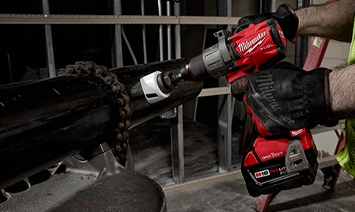
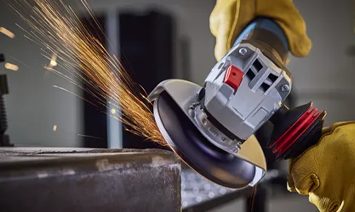
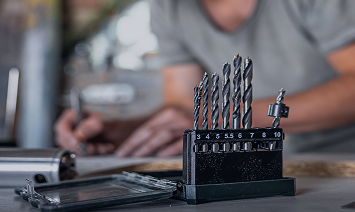
The cutting is done using diamond blades. The type of blade used will vary depending on the material being cut: granite, marble, engineered quartz, or porcelain. Core bits do not blow back the slab when making holes for sinks, faucets, and outlets. Cup wheels and cup stones form edges and cut down quickly. Polishing pads and felt pads give that final mirror-like finish that is expected by the client.
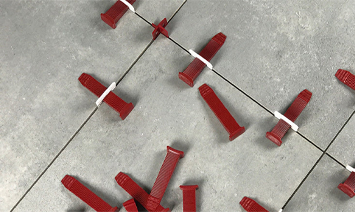
Slab dollys are used to transport heavy stone around a shop floor without causing a back injury. Seam setters align countertop sections to make the seam invisible. A suction cup is a little game-changer: one person or two can lift and set tile that would otherwise need a crane and four more hands.
Finishing and repair supplies are as important as cutting equipment. Epoxy can be used to seal hairline cracks and pit holes in granite before polishing. Color pigments can be used to color the epoxy to the exact tone of the granite rather than leaving a visible patch. Once installed, sealers help to keep countertops and floors from staining. Backing pads keep your abrasives in place while grinding. Sandpaper in the right grit range can take a honed surface from rough to smooth in stages.
Key Features to Look for in Granite Fabrication Tools and Supplies
The choice of blade and bit comes down to diamond concentration and bond hardness. A soft bond will wear out more quickly but will constantly reveal fresh diamond, ideal for hard stone such as granite. The harder the bond, the longer it will last on softer materials such as marble, where the blade does not wear down as rapidly and thus remains sharp.
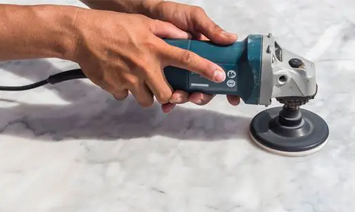
The speed and pressure settings of your grinder or polisher are as important as the attachment itself. Excessive pressure on the marble can cause chipped edges and hairline cracks that only become visible after installation. Doing this at a moderate speed and with the correct grit progression helps to keep the stone safe and provide you with a cleaner finish in the least amount of time.
Dust control is not a secondary issue either. When granite or marble is dry-cut, it releases fine silica dust into the air, which poses a long-term health risk to the respiratory system. A wet polisher or wet-cutting machine paired with a proper dust mask will help you meet safety standards and keep your lungs clear at the end of a long day on the tools.
How to Pick the Right Tool for Marble and Granite
Don't force the tool on the stone. If you use granite countertops daily, it is worth purchasing a segmented diamond blade rated for hard stone and a wet polisher designed for long-term commercial use. If you prefer working with marble vanities, bathroom surrounds, or detail restoration, a finer-grit polishing pad set and a continuous rim blade will work best.
The tools are designed for professional use, and that's reflected in the demands of everyday fabrication. If a homeowner is fixing one little repair, they can get away with simple tools, but a fabricator that is cutting slabs 5 days a week will need equipment that is rated to do that much work; otherwise, the margin on every job will get eaten away.
Maintenance is the key to extending the lifespan of all these items. To remove stone slurry from blades and bits after wet work, rinse them. When not in use, keep diamond tools away from moisture. Before beginning a job, inspect polishing pads for wear - a worn pad will not produce the finish that a client expects.
Why Choose Tool Academy for Marble & Granite Tools
We carry the brands fabricators are already using on the jobsite, such as Pearl Abrasives, United Abrasives, Husqvarna and Diamond Productions, as well as a complete selection of Pure Diamond Products blades and bits designed for natural stone. We've been supplying contractors and tradespeople with professional tools for decades. No matter if you need a single replacement blade or the whole setup for a new crew, we are here to assist you.