





Tile Drill Bits
The Drill Bits for Precision Drilling
Drilling into tile is different than drilling into wood or metal. A standard twist bit will not work here, as tile is hard, brittle, and may crack under the wrong pressure or speed. This is why it is important to use a tile drill bit specifically designed for the density of ceramic, porcelain, glass, and natural stone.
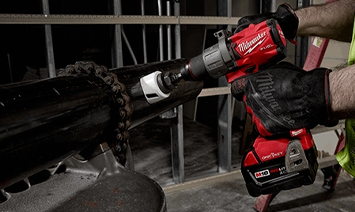
A tile-cutting drill bit is the tool you'll reach for whenever you need to mount a towel bar, run plumbing lines, install a shower valve, or install a light fixture in a finished wall. A drill bit for tile wall projects like these needs to cut through the glaze without chipping it. From a small pilot hole in a bathroom backsplash to a big core bit for a larger pipe penetration, contractors and tradespeople use these bits on a regular basis.
A carbide tip, ground into a spearpoint or cross shape, is used for a drill bit for ceramic tile. That shape ensures that the bit does not bite into the glazed surface, preventing the tile from cracking when it is put in place. Carbide bits are suitable for glass, ceramic, and softer porcelain tiles. This is a more budget-friendly choice for smaller jobs or one-off repairs.
Diamond bits take a different approach. They do not have a shaped tip but rather diamond particles that are attached to the cutting edge or placed in a core barrel. This is why they are preferable for porcelain, natural stone, and any tile with a high density rating. Diamond grit will not dull on the material that would dull a carbide tip in a few holes. A diamond bit will last for years and remain sharp with repeated use, even when used on stone tile daily.
Types of Tile Drill Bits
Tool Academy offers everything you may need on a job site for tile work. There are general-purpose bits for ceramic and glass tile. For smaller diameter holes where precision is most important, glass and tile cross bits from Pro Tile are ideal. Larger openings can be cut with laser core bits and diamond hole saws, which do not break the tile apart.
Pure Diamond Products reamers allow you to enlarge an existing hole to accept a larger fixture, without having to begin again. A longer shank bit will allow you to work through a tile wall into backer board or drywall behind it without having to change the bit halfway through the project.
How to Choose the Right Drill Bit
Start with the tile itself. Carbide is used with softer ceramics and glass. Diamond is used with porcelain and natural stone. Use the correct bit size for your fixture; if it is too large, it will compromise the surrounding tile; if it is too small, you will need to redrill later.
Use a slow drill speed (300 to 600 RPM) and allow the bit to do the work; don't push down too hard. For anything other than a quick pilot hole, use a wet sponge, a spray bottle, or a drip system to keep the bit cool and reduce friction; particularly, diamond core bits need water to prevent overheating and glazing over.
Begin the hole at an angle to form a starter groove. Straighten out when the bit bites in. If the bit is worn or dull, it will run hot and slow, and you will have to lean into the tile, which may lead to an injury. A good bit can last for dozens of holes if used and cooled properly.
Serious Tools for Serious Work
Since 1989, we have supplied tile professionals with drilling and cutting tools from trusted brands such as Relton, Pro Tile, Milwaukee, Bosch, and others. Our experts can help you choose a certain diameter, shank length, or bit type suitable for your work. Shop for reliable tiling tools and build a professional toolkit that will serve you for long.