




Vibration Tile Beaters
Tile Vibrators for Large-Format Tile and Slabs
A 60 x 120 cm porcelain tile can be set flat on the first day and still sit over hollow pockets of mortar. Those voids can crack after several months when a fridge leg is placed on them. A tile vibrator shakes the tile down into the bed, causing the ridges in the trowel to collapse, any trapped air to escape, and the tile to level with the adjacent tiles.
This collection covers suction-cup units that grip the tile face and plate beaters that sit flat on top of it.
Cordless Tile Vibrators vs Grinder-Mounted Tile Beaters
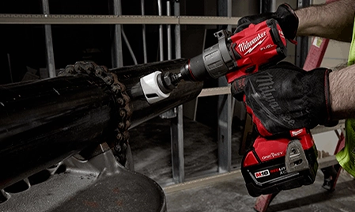
A cordless tile vibrating tool has its own motor and battery. In the suction-cup category, models feature a 125 mm cup that locks the machine in place, so you can lift, place, and vibrate without ever releasing the cup. The 12 speeds let you use it on a 30 x 60 cm wall tile or a 120 cm floor tile.
For slabs and thick stone, cordless plate vibrators sit on a 21 x 41 cm rubber pad and distribute vibration over a larger area. The plate model in this range covers 150-200 m2 per charge and switches to the 15 x 15 cm plate for stair treads.
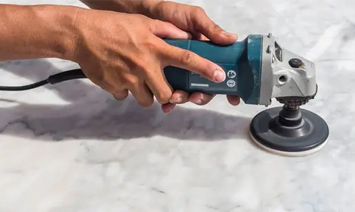
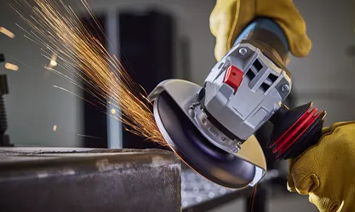
A grinder-mounted beater has no motor. It attaches to your angle grinder and converts spindle rotation into vibration using a 30 x 19 cm anti-mark base. You get corded power with no battery to swap, and a variable-speed grinder to adjust the intensity. The cost is extra weight and a cord dragging across fresh tile.
Use wireless equipment for mixed floor and wall projects. If you have a suitable grinder and are mostly laying floors, then go grinder-mounted.
Choosing a Tile Vibrator for Your Tile Size
-
Up to 60 x 60 cm: a suction-cup tile vibration tool handles these easily, and the cup doubles as a lifter.
-
60 x 120 to 120 x 120 cm: pick a suction model rated for about 50 kg of holding force, or a plate unit.
-
Slabs and panels over 120 cm: a wide plate covers more surface per pass. Plan on two people for handling.
-
Natural stone 2 cm and thicker: use a plate tool, since the larger contact area spreads vibration across more of the stone.
How to Use a Tile Vibrator for Full Mortar Coverage
-
Comb the mortar in straight lines, often with a 1/2 in. square notch or larger for large format.
-
Back-butter the tile with a thin, flat coat.
-
Set the tile and slide it about 1 cm across the ridges and back.
-
Start on a low setting at the center and work toward each edge. Move on once mortar rises in the joint.
-
Check height with a straightedge and lift a tile now and then. ANSI A108 calls for 80% coverage in dry interiors and 95% in wet areas, exteriors, and natural stone.
Why Tile Setters Buy Tile Vibrators from Tool Academy
Raimondi E-FOX is a 15V cordless plate vibrator for walls and floors. The Total 20V suction unit can reach speeds of up to 10,000 revolutions per minute (rpm). Sigma's grinding attachment is compatible with 700-1400 watt grinders. The Tooltech cordless beater uses spare Tooltech 16V 2 Ah batteries to ensure all-day battery life.
Tool Academy has a wide range of tile beaters to suit all needs of professional tile setters. With more than three decades of experience, we can explain which tool suits a 3 cm quartzite slab before you order. Contact us if you need help with setting up your tile toolkit.
Frequently Asked Questions
Do I need a tile vibrator for large format tile?
Not required for any standard, but you must meet ANSI's minimums for coverage. For tiles over 60cm in diameter, hand pressure and mallets tend to create gaps around the center. A vibrator levels the tile quicker and minimizes lippage.
Can a tile vibrator replace back-buttering?
No. Back-buttering wets the back of the tile so mortar bonds to it, while vibration collapses the ridges in the bed. Most large-format mortar data sheets call for both.
Will a tile vibrator damage polished porcelain?
Not if the surface is clean. A polished finish can be scratched by grit or dried mortar under the base. Use suction cups. They may leave a slight ring that wipes away with a damp cloth.
Can I use a tile vibrator on wall tile?
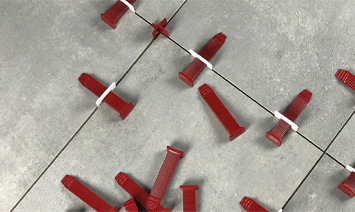
Yes. You can use both suction-cup units and the lighter cordless plate on walls. Keep the speed low, ensure the mortar doesn't sag, and use levelling clips. A grinder-mounted beater is too heavy for most wall work.