





Drills
What Are Corded Electric Drills and Their Applications
A corded electric drill is one of the most reliable tools on any jobsite. A corded drill operates directly from an electrical outlet, eliminating issues related to charging time or losing power during heavy-duty usage.
Corded power drills remain a viable option for contractors, builders, fabricators, tile installers, and maintenance workers where output is important. A reliable corded drill is the go-to tool used for drilling through wood framing, steel studs, masonry, concrete, tile, or heavy construction materials.
Types of Electric Drills Explained
Standard Drill Drivers
A corded drill driver is used for general-purpose drilling in wood, metal, plastics, and composite materials. Tradespeople and contractors often rely on these versatile tools for their daily tasks, where reliability is essential.
Hammer Drills
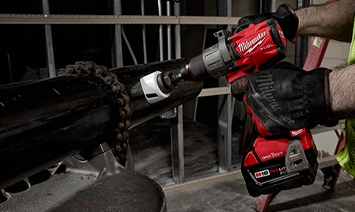
Hammer drills are capable of both rotary and hammering action, which is useful for drilling through masonry, brick, block, and concrete. Hammer drills from Makita, Bosch, Milwaukee, and DeWalt are commonly used in construction environments where durability and drilling speed are crucial.
Rotary Hammers
Rotary hammers have much greater impact energy than hammer drills when drilling concrete in larger applications. These tools are usually employed in anchor installation, anchor demolition, and heavy concrete drilling.
Mixing Drills
Mixing drills are specifically designed to mix mortar, grout, adhesives, self-leveling compounds, and cement-based materials. We offer mixing drills from brands like Rubi and Collomix that feature controlled speed, high torque, and ergonomic design.
Magnetic Base Drills
Magnetic drills are used for steel fabrication and industrial construction. The magnetic base ensures the drill is firmly attached to the structural steel, making it ideal for more challenging applications that require precise hole creation.
Core Drills
Core drilling systems are used for drilling large-diameter holes in concrete, masonry, and stone. These special drills are often used in commercial construction, plumbing, electrical, and HVAC installations.
Amp Ratings and Features That Matter
Motor amperage is one of the first specs professionals consider when buying a corded drill.
Lower-amp drills (usually 6 to 7 amps) are good for lighter-duty drilling and general maintenance applications. Mid-range models deliver 7-9 amps, providing great versatility for contractors working on a wide range of jobs. For harder materials, heavy-duty drills will have a motor of 10 amps or more, giving them more power and drilling power.
In addition to amp ratings, there are a number of features that can directly affect productivity and comfort:
Variable Speed Control
Variable-speed triggers provide greater accuracy when starting holes and working with different materials.
Reversible Function
The forward and reverse functions are useful in removing bits and some fastening.
Keyed and Keyless Chucks
Keyed chucks hold bits most securely for tough drilling operations, while keyless chucks change bits quickly.
Two-Speed Gearboxes
Dual-speed transmissions offer control over the speed and torque of the drilling operation depending on the application.
Ergonomic Handles
Comfortable handgrips minimize operator fatigue during prolonged use.
Safety Clutches
Clutches are often part of a professional-quality drill to limit kickback when the bit encounters resistance.
How to Choose the Right Drill for Your Project
For projects that require you to work with wood, metal, and general construction work, a standard corded drill driver will be of great value. A hammer drill is ideal for masonry work due to its impact action that is necessary for efficient drilling through concrete and brick.
If you regularly mix mortar, grout, or self-leveling compounds, you may want to use a dedicated mixing drill designed for high torque. A magnetic drill can be useful to structural steel workers, and a core drilling system is needed for large concrete projects.
The type of material should also be considered in your choice. With the right bits and attachments, modern corded power drills can be used to drill into wood, steel, aluminum, masonry, tile, concrete, stone, and construction materials.
Apart from the budget, professional users should also consider durability, motor performance, ergonomics, and serviceability. A good drill that performs well from one season to the next can be worth much more over time.
Your Source of Professional Drilling Solutions
For over 35 years, Tool Academy has been supplying corded power tools that perform in demanding environments. Our collection offers tools from reputable brands, such as Rubi, Milwaukee, Metabo, Makita, Husqvarna, Fein, DeWalt, Collomix, and Bosch - these are the brand names that we have confidence in with respect to our drill collection.
Our team has a grasp of the differences between a general-purpose corded drill, a heavy-duty hammer drill, a mixing drill, and a specialized core-drilling system. This experience enables us to assist contractors in selecting equipment that meets their application and workload needs.