





Power Sanders
What Are Power Sanders?
Power sanders are designed to smooth, shape, and prepare surfaces more quickly than hand sanding. They use electric motors to move a sanding pad, belt, or abrasive surface, helping remove material evenly while reducing the physical effort required for the job.
Whether you're refinishing furniture, preparing drywall for paint, smoothing rough lumber, or removing old finishes, a quality sander tool can improve both the speed and consistency of your work.
Modern power sanders are available in a wide range of styles, from compact finishing sanders for detailed work to larger belt sanders built for rapid material removal. Choosing the right tool depends on the material you're working with, the amount of material you need to remove, and the finish you're trying to achieve.
Types of Sanders Explained
There are several types of power sanders, each designed for specific applications.
Random Orbital Sanders
Random orbital sanders are among the most commonly used sanding tools. They combine circular and orbital motion to create a smooth finish with fewer visible sanding marks.
They're often used for:
-
Furniture refinishing
-
Cabinet work
-
Trim installation
-
Surface preparation before painting
-
General woodworking
A 5-inch random orbital sander is a popular choice because it balances material removal with finish quality.
Belt Sanders
Belt sanders use a continuous sanding belt that moves across rollers at high speed. They remove material quickly and are often used during the early stages of a project.
Common applications include:
-
Flattening boards
-
Removing old finishes
-
Leveling uneven surfaces
-
Shaping rough lumber
Because belt sanders remove material aggressively, they're typically followed by finer sanding with an orbital or finishing sander.
Drywall Sanders
Drywall sanders are designed specifically for smoothing joint compound on walls and ceilings. Their larger sanding heads allow users to cover more surface area while maintaining a consistent finish.
Many contractors choose drywall sanders with dust extraction capabilities to help keep work areas cleaner during sanding.
Detail and Narrow Belt Sanders
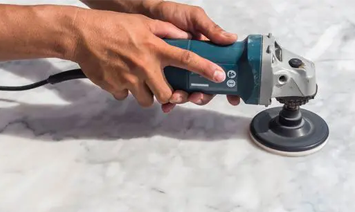
Some projects require access to tight spaces that larger machines can't reach. Narrow belt sanders, band files, and compact sander-polishers are commonly used for:
-
Inside corners
-
Metal fabrication
-
Weld cleanup
-
Detailed woodworking
-
Small surface preparation
These specialized tools offer greater control when working in confined areas.
Common Uses and Materials
Power sanders are used across many trades and applications.
Woodworkers use them to prepare surfaces before staining or painting. Contractors use them to smooth drywall and prepare trim for installation. Metal fabricators often use narrow belt sanders to clean edges, remove rust, and prepare surfaces for finishing.
Depending on the abrasive being used, an electric sanding machine can be suitable for:
-
Hardwood
-
Softwood
-
Plywood
-
MD
-
Drywall compound
-
Painted surfaces
-
Metal
-
Fiberglass
-
Certain plastics and composites
Matching the proper abrasive grit to the material is just as important as choosing the right machine. Coarse grits remove material quickly, while finer grits produce a smoother finish.
Key Features to Look For
Not every sanding project requires the same tool. Understanding a few common features can help narrow your options.
Variable Speed Control
Variable speed settings allow you to adjust sanding performance for different materials. Lower speeds provide more control for finishing work, while higher speeds can speed up material removal.
Dust Collection
Sanding creates a large amount of fine dust. Many modern power sanders include dust bags, collection canisters, or vacuum connections that help keep workspaces cleaner.
Sanding Pad and Belt Size
Different sanding tasks require different pad sizes.
Common sizes include:
-
5-inch random orbital pads
-
6-inch random orbital pads
-
1/3 sheet finishing pads
-
2-inch sanding pads
-
3" x 18" belt sanders
-
Narrow belt configurations for detail work
Larger sanding surfaces generally cover more area, while smaller pads provide better access and control.
Corded or Cordless Operation
Corded sanders are often preferred for extended shop use and larger projects. Cordless models provide greater mobility when working throughout a jobsite or in locations where power outlets may not be readily available.
How to Choose the Right Sander
The first step in choosing the right sander is to determine which type of sanding you will do most frequently.
A random orbital sander can be a well-rounded woodworking and finishing tool to begin with. A belt sander might be a better choice if you often sand off coatings, flatten boards, or work with rough stock.
A drywall sander will allow for faster coverage and more consistent results for drywall finishing. Compact sanders and narrow-belt sanders are often beneficial for detailed work in hard-to-reach areas.
Another thing to consider is comfort. Weight, balance, grip design, and vibration control might make a noticeable difference during longer sanding sessions.
Why Choose Tool Academy
For over 35 years, contractors, tradespeople, and builders have turned to Tool Academy for professional-quality power tools and equipment. We offer sanders for sale, including random orbital, belt, drywall, and finishing sanders, as well as specialty sanding tools from reputable brands such as Milwaukee, Makita, DeWalt, Bosch, Metabo, and Toolway Industries.
From drywall to refinishing cabinetry, from shaping lumber to detailed finishing work, our team can help you choose the right sander, abrasives, and accessories to get the job done right.