






Tile Saws
Tile Saws: Tools for Precision Cutting
A tile saw does one job, and it does it with precision that hand tools can’t match. From cutting porcelain to natural stone, marble to ceramic tile, a professional tile cutting saw turns a pile of raw material into perfectly sized pieces that fit exactly where they need to go. That accuracy can save contractors hours when working with a limited installation schedule. For any homeowner who is trying to remodel their bathroom or kitchen, it means fewer wasted tiles and cleaner edges around outlets, corners, and fixtures.
Types of Tile Saws and Their Uses
Wet tile saws come with a water reservoir that cools the blade and controls dust during cutting. This helps to maintain the sharpness of the blade for a longer period of time and creates a smoother edge - this is especially important when using porcelain or natural stone. Dry tile saws do not require a water system. They're lighter, easier to install on a jobsite, and work well for fast cuts on softer ceramic tile. However, dry tile saws tend to produce more dust and wear the blades faster over time.
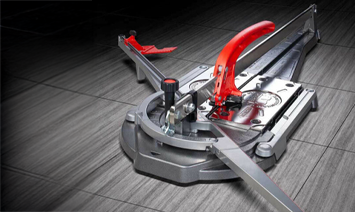
Most residential projects can be done with a portable tile saw, a 7” or a 10” benchtop saw is just great. A rail saw, or bridge saw, is used for large-format tiles and slabs, providing the longer cutting length needed to score. It cuts tiles up to 60 inches or longer without moving the tile halfway through the process. Modern battery-operated saws produce sufficient torque for straight cuts in standard ceramic and porcelain, but corded saws still hold the advantage for all-day use on tougher stone.
Key Features and Benefits
The quality of the cut depends on the type of blade used. A continuous rim diamond blade is ideal for ceramic and porcelain. A segmented or turbo blade cuts through natural stone and thicker materials faster. Match the blade to the tile, not the other way around.
New to cutting tiles? Use a simple wet saw and a firm work surface. The vast majority of the 7-inch and 10-inch models are simple to use after a few practice cuts on scrap tile.
Clean the water tray after every use. Inspect the blade for wear and replace it if necessary before it begins chipping the edges of tiles rather than cutting through them. These are all things that need to be followed to keep a saw running for years.
Do not neglect safety when working with tile cutting saws. Use eye protection, keep your hands out of the path of the blade, and never force a cut. Allow the blade to work at its own speed.
How to Choose the Right Tile Saw
The tool should match your project size and materials used. A 7-inch portable saw is good for small jobs or occasional use. A 10-inch model is suitable for daily jobsite work. A rail saw is a good investment if you cut large-format tile regularly. Before purchasing, ensure that your blade size is compatible with the water tank capacity and cutting depth.
Professional Tile Saws from Trusted Brands
Tool Academy offers high-quality tile saws from trusted names, including Rubi, Battipav, Pearl Abrasives, DeWalt, Husqvarna, and more. We’ve been in the market for more than three decades, expanding our services to 20+ countries. Shop our collection of tile saws online, and our team is ready to help you choose the right power tool for your project.