




Metal Cutting Blades
Metal Cutting Blades for Clean and Efficient Cuts
Blades for ferrous steels such as mild steel and stainless require more teeth and hardened carbide tips that will not melt because of the heat these steels produce. Blades with fewer, larger gullets will clear chips without clogging or grabbing when cutting non-ferrous metals such as aluminum and copper. If the blade is used for the wrong metal type, it wears out quickly, and the cuts are rough and jagged, requiring additional finishing.
The diameter of the blades will vary based on the type of saw that you're using. Most circular saws use a 7-1/4" blade, which is appropriate for framing and sheet metal applications, and chop saws and stationary metal saws typically use 12"-14" blades for thicker stock and structural cuts. Before purchasing, review your saw's maximum blade size; this will ensure that the blade fits into the saw's guard and arbor.
Safety, Performance, and Blade Life
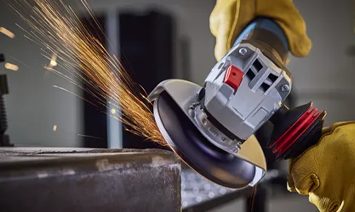
Eye protection, gloves and hearing protection are a must when cutting metal because sparks and heat are thrown. Secure your material in a clamp, not by hand, and allow the blade to reach full speed before it comes in contact with the metal. Feeding too fast will result in binding or kickback, and feeding too slowly will cause excessive heat, which will shorten the life of the teeth.
Carbide-tipped blades keep their edge longer than regular steel blades and don't dull as quickly when cutting through the heat of repeated cuts. The cutting speed is also influenced by the geometry of the tooth. The negative hook angle on blades helps to control the bite on hard metals such as stainless steel. To minimize sparks and heat buildup, ensure the blade you are using is rated for dry cutting, and keep it clear of metal shavings by regularly removing them from the gullets, as they can pack up there.
When cuts begin to take noticeably longer to cut, or the edges become rougher than usual, or when chipped and missing teeth are seen, it is time to replace the blade. You'll strain the saw's motor if you push a dull blade harder, and increase the chance of a stalled or kicked-back cut.
How to Pick the Right Blade for Metal Work
Always match the blade to the type of metal you’re working with. Check the saw's diameter and arbor size. The number of teeth is important too: more teeth are better for thin sheet metal and stainless, and fewer teeth are better for thicker aluminum and steel stock.
Our Blade Selection, Your Advantage
Tool Academy stocks saw blades for metal from Freud, Diablo, Milwaukee, DeWalt, Lenox, Walter and Makita, as well as abrasive cut-off wheels from United Abrasives and Flexovit. No matter what type of metal you are cutting - stainless sheet, aluminum extrusion, or structural steel - our team can help you match the right metal cutting saw blade to the job you’re performing.