





Drill Bits for Metal
Steel Drill Bits For Metal Drilling
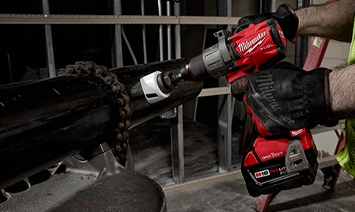
Different bits are used to drill through metal, wood or drywall. A drill bit for metal is ground to have a specific point angle, typically 118 or 135 degrees, so it can bite into steel, stainless steel, aluminum, and other alloys without walking or skating across the surface. They can be used on a range of jobs, from mounting brackets on a steel beam to boring holes in sheet metal for HVAC ductwork or drilling pilot holes prior to tapping threads.
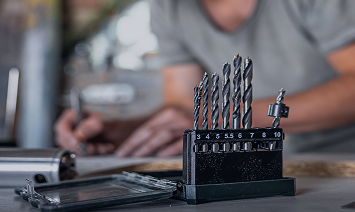
Not all bits are the same. Mild steel cuts cleanly with a 135-degree split point. To prevent burning of the edge, stainless steel requires a slower speed and consistent pressure. As aluminum is soft and gummy, and it tends to clog flutes if pushed too fast, use a sharp bit and apply light cutting oil when working with it. For multiple metals in a single application, a set such as the RED HELIX™ Cobalt Drill Bit Set (29 Pc) will handle most applications on a typical job site.
HSS, Cobalt, Titanium and Black Oxide Bits
High-speed steel (HSS) bits are used for general-purpose drilling of mild steel and thinner stock. They are inexpensive and hold an edge well for occasional metalwork. Cobalt bits contain 5-8 percent cobalt, which significantly increases heat resistance. This is ideal for stainless steel, cast iron, and other hard alloys where standard HSS would dull within a few holes.
Titanium-coated bits are HSS bits that feature a thin titanium nitride coating that increases surface hardness and reduces friction. These won't last as long as uncoated HSS, but the coating will rub off with resharpening and should be used as a step up for moderate-duty work, not as a cobalt substitute. Black oxide bits are heat-treated to ward off corrosion and provide a cooler, smoother-running surface in the cut. This is a good mid-range choice for general steel drilling.
Selecting the Right Size and Shank Type of Metal Drill Bits
Check the bit diameter to the fastener or hole spec you are using, and compare it to a bit gauge if the marks are worn off. Step bits such as the STEP BIT 1/2" - 1" can be used to drill multiple diameters in one tool, which is beneficial for sheet metal where a twist bit can grab and tear the metal. Shank types also matter: a round shank fits any standard chuck, while a hex shank fits impact drivers and quick-change chucks, reducing bit slip on repetitive jobs.
Maintain low pressure and low speed. The edge of a drill bit for steel is killed by heat produced by high RPM on metal. Remove the bit periodically to remove any chips, apply cutting oil to steel and stainless to minimize friction, and allow the tool to do the cutting; do not force it.
If a bit starts to smoke, squeal, or show metal discoloration around the hole edge, remove it and replace it with a new one, or sharpen it. A dull bit isn't only a slow factor. It also creates holes that are too big and too deep to properly secure a fastener.
Professional Tools from People Who Know the Trade
Since 1989, Tool Academy has equipped contractors and tradespeople with hand tools, and that experience helps determine what's on the shelves. From Milwaukee to Bosch, Dewalt to Relton, you're buying bits for battery-operated drills designed for the real job.