





Hammer drills
What Is a Cordless Hammer Drill and Its Uses
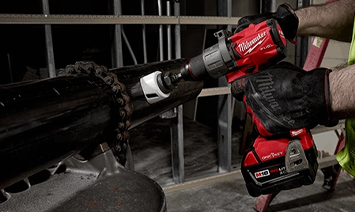
A cordless hammer drill is a drilling tool that combines rotation with a rapid hammering motion. This added forward force helps the bit cut into hard materials such as concrete, brick, block, stone, and masonry. When hammer mode is switched off, the same tool works like a regular drill for wood, metal, plastic, and general fastening work.
For contractors, a battery-powered hammer drill is one of the most practical cordless tools on the jobsite. It gives you drilling power without tying you to an outlet, which matters when working on ladders, outdoors, in unfinished spaces, or across large commercial sites. Electricians use them for anchors and conduit supports; plumbers for pipe brackets; framers for hardware installation; and renovation crews for daily drilling and fastening work.
A cordless hammer drill for concrete is especially useful when you need to drill smaller anchor holes in block, brick, or poured concrete. For heavier concrete drilling, SDS-Plus rotary hammers deliver greater impact energy and improved bit control. That is why many professionals keep both a hammer drill/driver and a rotary hammer in their kit.
Key Features to Look For in a Battery-Powered Hammer Drill
A good battery-powered hammer drill starts with a strong brushless motor. Brushless motors run cooler, reduce wear, and use battery power more efficiently than older brushed designs. For tradespeople who use their tools daily, that difference shows up in runtime, power delivery, and longevity.
Torque is another key detail. Higher torque helps when drilling larger holes, driving long fasteners, or working through dense material. Speed control also matters because masonry, metal, and wood all require different drilling speeds. A two-speed or three-speed gearbox gives better control and helps protect bits from overheating.
Battery voltage should match the type of work you do. A 12V battery-operated hammer drill works well for compact service work, tight spaces, cabinet installation, and lighter drilling. An 18V or 20V system is the better choice for most professional users because it offers more power, longer runtime, and wider compatibility with other cordless tools. Larger 40V systems and high-output battery platforms suit demanding concrete and commercial applications.
Chuck size also affects performance. A 1/2-inch chuck is common on professional hammer drills because it accepts larger bits and handles heavier drilling tasks. Smaller 3/8-inch chucks are usually found on compact drills made for lighter work. SDS-Plus chucks are used on rotary hammers and are better suited for repeated drilling and chiseling in concrete.
Look for a comfortable grip, a balanced body, LED lighting, a side handle, a strong clutch, and a durable metal gearbox. These details may seem small, but they make a real difference during long workdays.
Hammer Drill vs Impact Driver
A hammer drill and an impact driver are often sold together, but they are built for different jobs. A hammer drill uses forward impact force while the bit rotates, which helps it drill into masonry and concrete. An impact driver uses rotational force to drive screws, bolts, and fasteners with less strain on the wrist
A cordless drill with hammer function can be used as a regular drill when hammer mode is turned off. It can drill into wood, metal, plastic, and drywall, and it can drive screws when fitted with the right bit. However, it is not the best tool for heavy fastening all day. An impact driver handles that work faster and with better control.
For most contractors, the two tools work best as a pair. Use the hammer drill for drilling holes and masonry work, then use the impact driver for fastening.
How to Choose the Right Hammer Drill
Choosing the right hammer drill begins with the material you work with most often. For light home repairs, small anchors, and occasional drilling into brick, a compact 12V or 18V model may be enough. For daily professional use, choose an 18V or 20V brushless hammer drill with a 1/2-inch chuck, strong torque output, and a battery platform that matches your other tools.
If you regularly drill into concrete, check the tool’s hammer rate, torque rating, battery capacity, and handle design. A cordless hammer drill for concrete should feel stable under load and should not overheat during repeated drilling. For larger holes or frequent concrete work, move up to an SDS-Plus rotary hammer.
The right battery-powered hammer drill should also fit your workflow. Bare tools are a good option if you already own compatible batteries and chargers. Kits make sense when you are starting a new platform or need extra batteries for longer workdays. Combo kits with impact drivers give better value for contractors who drill and fasten throughout the day.
Reliable Hammer Drills for Professional Applications
Tool Academy supplies professional power tools from trusted brands such as Milwaukee, Makita, DeWalt, and Bosch. These brands are widely used by contractors because they offer strong battery platforms and durable motors.
Our team understands how tradespeople use these tools in real work, from drilling anchors in concrete to fastening hardware during renovation and construction projects. Whether you need a compact battery-operated hammer drill, a professional 1/2-inch hammer drill/driver, or a full cordless combo kit, we help you choose a tool that matches your needs.
